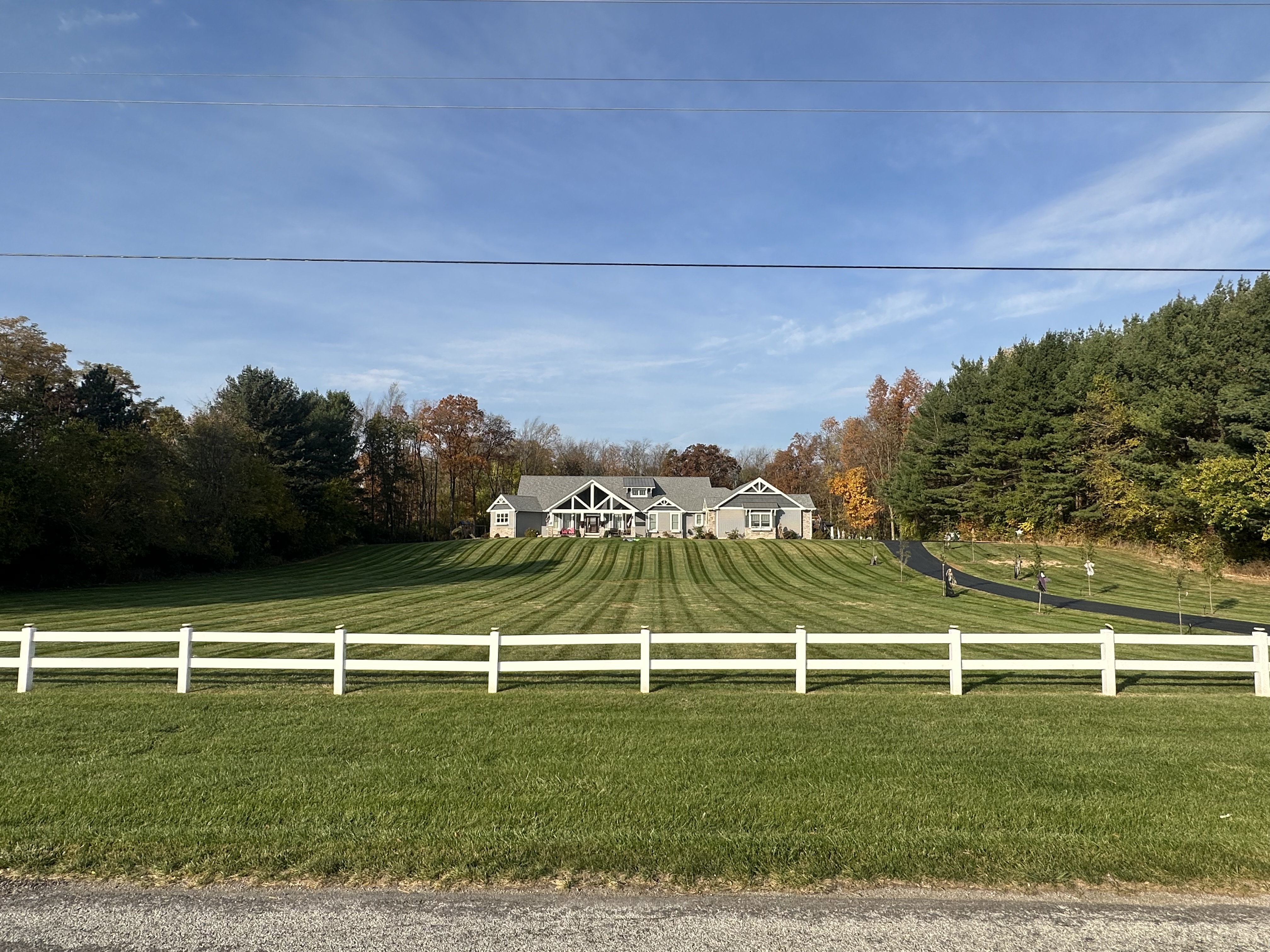
Resilient Landscapes: Designing Outdoor Spaces to Withstand Climate Change May 21, 2026
Creating a resilient landscape begins with selecting the right plants. Choosing native and drought-tolerant plants is key. These species are adapted to local conditions and require less water and maintenance, making them ideal for enduring extreme weather changes. Consider incorporating plants like lavender, succulents, and ornamental grasses, which are hardy and lend aesthetic value to any garden. Moreover, native plants naturally fend off pests better and reduce the need for chemical interventions, further promoting an eco-friendly landscape.
Beyond plant selection, the design of hardscape elements plays a crucial role in landscape resilience. Hardscaping involves the non-plant components of your garden, such as patios, walkways, retaining walls, and water features. By using permeable materials for paths and driveways, such as gravel or permeable pavers, you can enhance water infiltration and reduce runoff, preventing erosion and waterlogging. Additionally, strategically placed retaining walls can help manage soil erosion and stabilize slopes, protecting both your landscape and property structure.
Water management solutions are pivotal in designing landscapes that can withstand climate change. Implementing a rainwater harvesting system is not only a sustainable practice but also a cost-effective method to manage water resources. Efficient irrigation systems, such as drip irrigation, ensure that each plant receives the precise amount of water necessary, minimizing waste and conserving this vital resource. Mulching is another effective strategy; it retains soil moisture, controls temperature, and suppresses weed growth, all of which contribute to the overall resilience of your garden.
A resilient landscape should also account for extreme weather events, such as storms and heatwaves. Windbreaks, composed of hedges or walls, can shield your garden from harsh winds. Designing shaded areas with pergolas or trees not only aids in creating comfortable outdoor spaces during hot days but also prevents soil from drying out quickly. Furthermore, the use of reflective materials in hardscaping can help mitigate the heat island effect commonly found in urban areas.
Our team at FIRST CLASS GRASS LLC is committed to helping you design landscapes that are not just beautiful but sustainable and adaptive to climate change challenges. We take a holistic approach to landscaping and hardscaping, ensuring that every element is designed with both aesthetics and practicality in mind. By integrating eco-friendly practices and innovative techniques, we create outdoor spaces that are not only resilient but also elevate the enjoyment and value of your property.
As weather patterns continue to shift, adapting your landscape is not just a choice but a necessity. Embrace the change and work with professionals who prioritize sustainability. Your outdoor space can thrive despite the challenges posed by our changing climate, providing you with a haven of beauty and tranquility for years to come. If you're ready to transform your landscape into one that endures and excels, contact FIRST CLASS GRASS LLC today to explore your options in resilient landscape design.
/filters:no_upscale()/filters:format(webp)/media/bfdfde9c-90d6-41ff-96dd-3bf937898a6b.jpg)
/filters:no_upscale()/filters:format(webp)/media/527f2952-818b-4049-8193-465bf80f5f20.png)