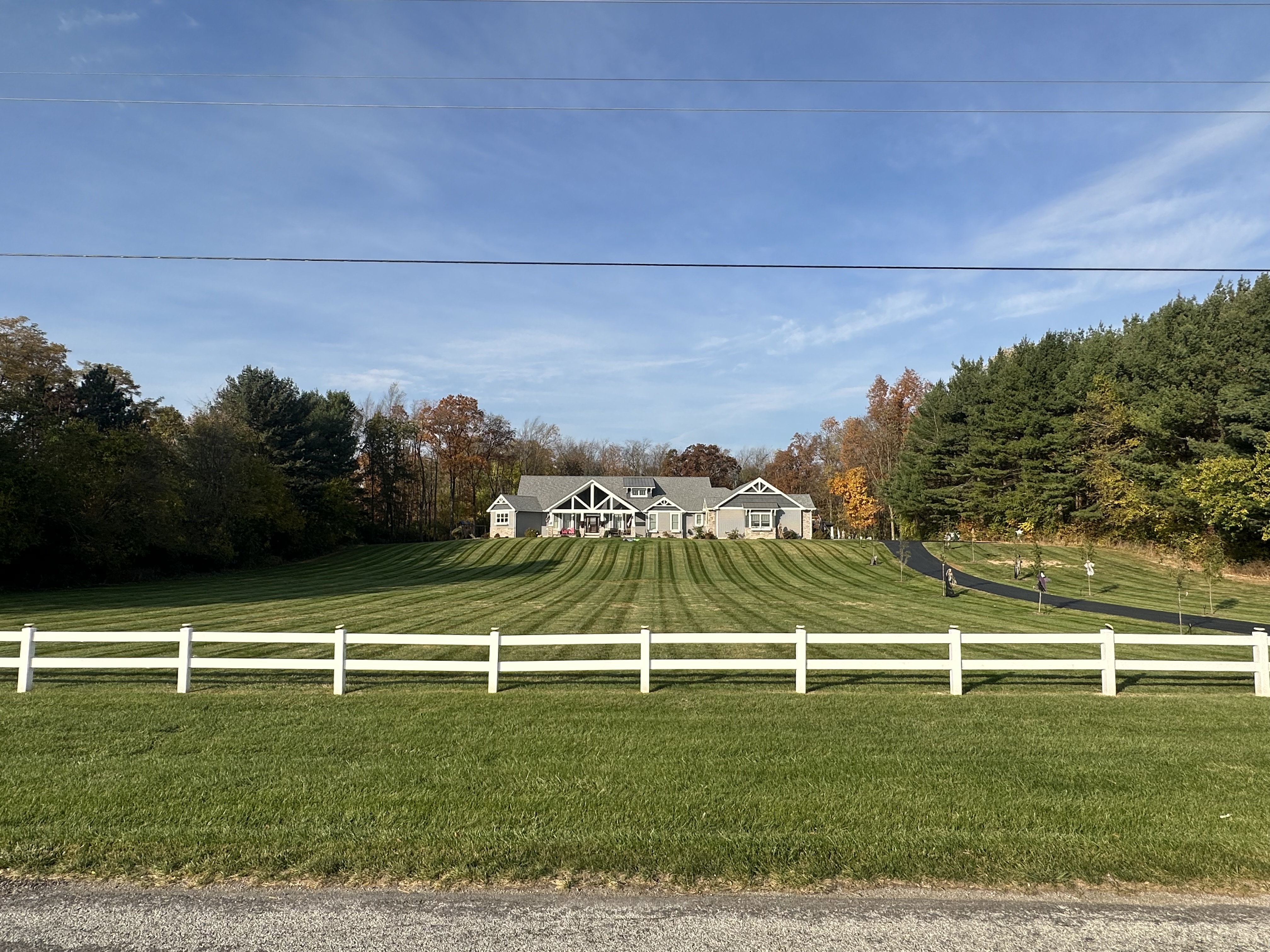
Lush Lawns: Expert Strategies for Achieving the Perfect Green Grass Dec 04, 2025
First and foremost, understanding the type of grass in your lawn is essential. Different regions support different varieties, each with specific care requirements. Whether you have cool-season or warm-season grass, knowing your grass type will guide your mowing, watering, and fertilizing practices. Cool-season grasses like Kentucky bluegrass thrive in cooler temperatures and may require different treatment compared to warm-season species like Bermuda grass.
Proper mowing is crucial for maintaining a healthy lawn. Many homeowners make the mistake of cutting their grass too short, thinking it reduces the frequency of mowing. However, cutting your grass too short can weaken it, making it more susceptible to diseases and pest infestations. A good rule of thumb is the one-third rule: never cut more than one-third of the grass blade at once. This practice not only keeps your lawn looking uniform but also promotes healthier growth.
Watering is another key aspect. It's important to water deeply and infrequently rather than lightly and daily. This encourages deep root growth, which can make the grass more resilient during dry spells. Ideally, aim to water your lawn early in the morning to reduce evaporation and fungal diseases, ensuring the soil absorbs maximum moisture.
Fertilizing your lawn provides it with the nutrients necessary for growth. At FIRST CLASS GRASS LLC, we recommend testing your soil before applying any fertilizers. This will help determine the pH levels and nutrient deficiencies in the soil, allowing you to address specific needs rather than a one-size-fits-all approach. Based on the test results, select a balanced, slow-release fertilizer that aligns with your grass requirements.
Dealing with thatch build-up is another important strategy for maintaining green grass. Thatch is the layer of dead grass and roots between the green grass and soil. Excessive thatch can suffocate the grass, preventing water and nutrients from reaching the roots. You should consider dethatching if the layer exceeds half an inch. This can be done using a dethatching rake or through professional services.
A well-maintained lawn also requires attention to pest and weed control. Regularly inspect your grass for signs of pest infestations, and address these issues promptly. Similarly, weeds compete with grass for nutrients and should be removed as soon as they appear. Consider organic or synthetic herbicides depending on your preference and environmental considerations.
To wrap things up, achieving a lush, green lawn is a combination of understanding your lawn type, maintaining proper mowing and watering schedules, and ensuring proper nutrition. Regular monitoring and timely intervention can help tackle potential issues before they become major problems. At FIRST CLASS GRASS LLC, we view every lawn care challenge as an opportunity to deliver excellence and ensure your lawn is always at its best.
If you need expert guidance tailored to your specific lawn conditions, don't hesitate to contact our team at FIRST CLASS GRASS LLC. Let us be your partner in creating the perfect outdoor space that complements your home’s beauty and enhances your living quality.
/filters:no_upscale()/filters:format(webp)/media/bfdfde9c-90d6-41ff-96dd-3bf937898a6b.jpg)
/filters:no_upscale()/filters:format(webp)/media/527f2952-818b-4049-8193-465bf80f5f20.png)