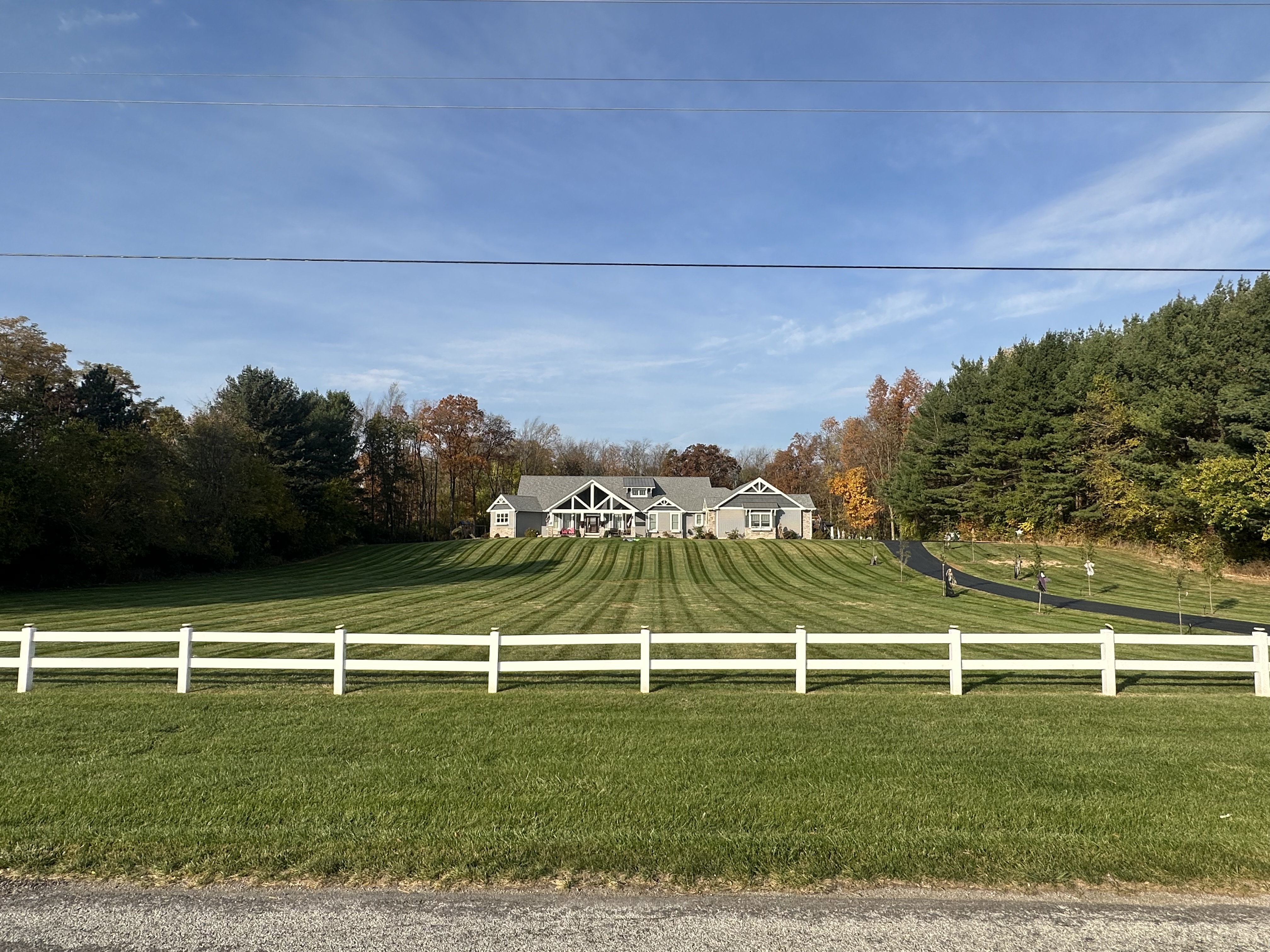
Eco-Friendly Elegance: Designing Landscapes That Harmonize with Nature Feb 15, 2026
The first step to achieving a nature-sympathetic landscape involves choosing the right plants. Native species are your best bet as they are adapted to the local climate and soil conditions. They require less water, fertilizer, and pesticides, making them more sustainable choices. Moreover, native plants provide essential habitat for local wildlife, supporting birds, bees, and other pollinators. This is a win-win situation for homeowners seeking to minimize their ecological footprint while enhancing the natural beauty surrounding their homes.
Beyond plant selection, incorporating smart water management practices is crucial. Water conservation not only protects this precious resource but also impacts your ecosystem’s health. Consider installing a rainwater harvesting system, which offers an excellent method for collecting and reusing rainwater in your garden. Additionally, drip irrigation systems can reduce water use by delivering moisture directly to the plant base, preventing waste and promoting plant health.
Incorporating hardscaping elements that amplify your garden's eco-friendliness is another vital aspect. For example, permeable paving allows rainwater to seep into the ground, replenishing groundwater reserves and reducing runoff, which minimizes erosion and pollution. Utilize materials such as recycled pavers or sustainably-sourced wood to further enhance your garden's eco-credentials. Hardscape features like stone pathways or wood decks not only add structure to your design but can also extend the usable living space, creating inviting areas to enjoy the beauty of your eco-friendly sanctuary.
Additionally, composting organic garden waste is an excellent way to reduce waste and improve soil health. Creating a compost area in your landscape can transform fruit and vegetable scraps, grass clippings, and leaves into nutrient-rich compost. This natural fertilizer can enhance soil structure, increase water retention, and reduce the need for chemical fertilizers, fostering a healthier garden environment.
Lighting is another consideration that comes into play. Opt for solar-powered lights, which minimize energy consumption and reduce your electricity bills while still providing striking illumination for evening outdoor enjoyment. Placing these lights strategically can highlight features in your landscape, create mood lighting, and enhance safety without overburdening the environment.
Finally, sustainable landscaping is not just about the techniques but also about the maintenance. We recommend minimizing the use of gas-powered equipment to cut emissions. Instead, consider electric or battery-powered tools, which are cleaner and quieter. Regularly maintaining your landscape encourages continuous growth and prevents any ecological issues from escalating.
By implementing these eco-friendly strategies, you integrate your home into the greater ecosystem, offering a sanctuary where humans and nature thrive together. As a result, sustainable landscaping not only enhances your home's curb appeal but also contributes positively to local biodiversity. At First Class Grass LLC, we are committed to guiding our clients through every step of this journey, ensuring that your landscape is both elegant and ecologically responsible. Embrace the beauty of nature by designing a landscape that promotes harmony and sustainability for generations to come.
/filters:no_upscale()/filters:format(webp)/media/bfdfde9c-90d6-41ff-96dd-3bf937898a6b.jpg)
/filters:no_upscale()/filters:format(webp)/media/527f2952-818b-4049-8193-465bf80f5f20.png)